Minnesota Was the Warning Shot
From Vermont to Minnesota, immigration enforcement is no longer happening quietly.
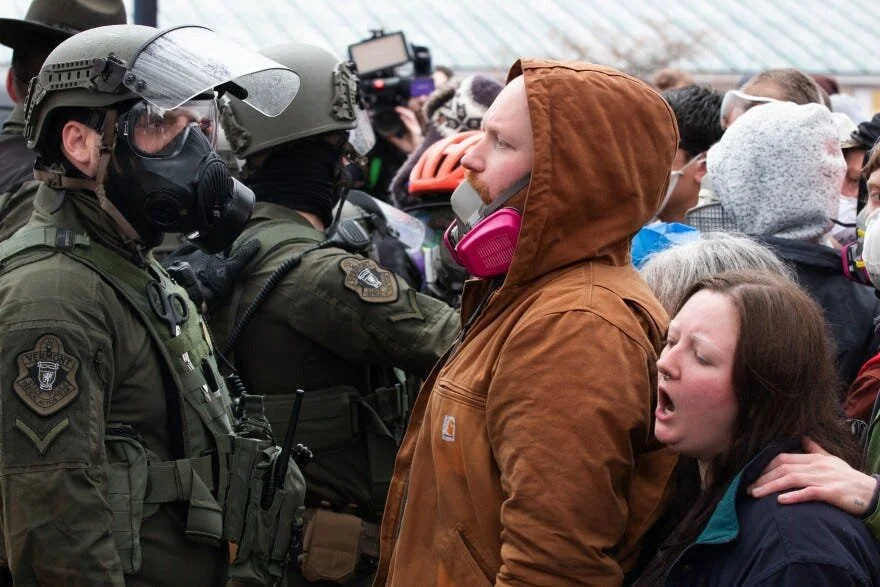
Zoe McDonald/Vermont Public
Since the beginning of President Donald Trump’s second term, the landscape of American cities has changed.
You can feel it if you follow the news closely.
What used to happen quietly — early morning arrests, overnight operations, administrative detentions, routine enforcement — is now unfolding in the middle of neighborhoods, in front of our eyes, recorded on video, and in front of crowds.
In South Burlington, Vermont, federal immigration agents surrounded a home while protesters gathered nearby. The situation escalated quickly into a chaotic standoff that included a multi-vehicle crash and multiple arrests after peaceful protestors confronted federal agents for hours (Vermont Public; WCAX).
Scenes like this are typically rare in Vermont.
Now, these instances are becoming part of a pattern.
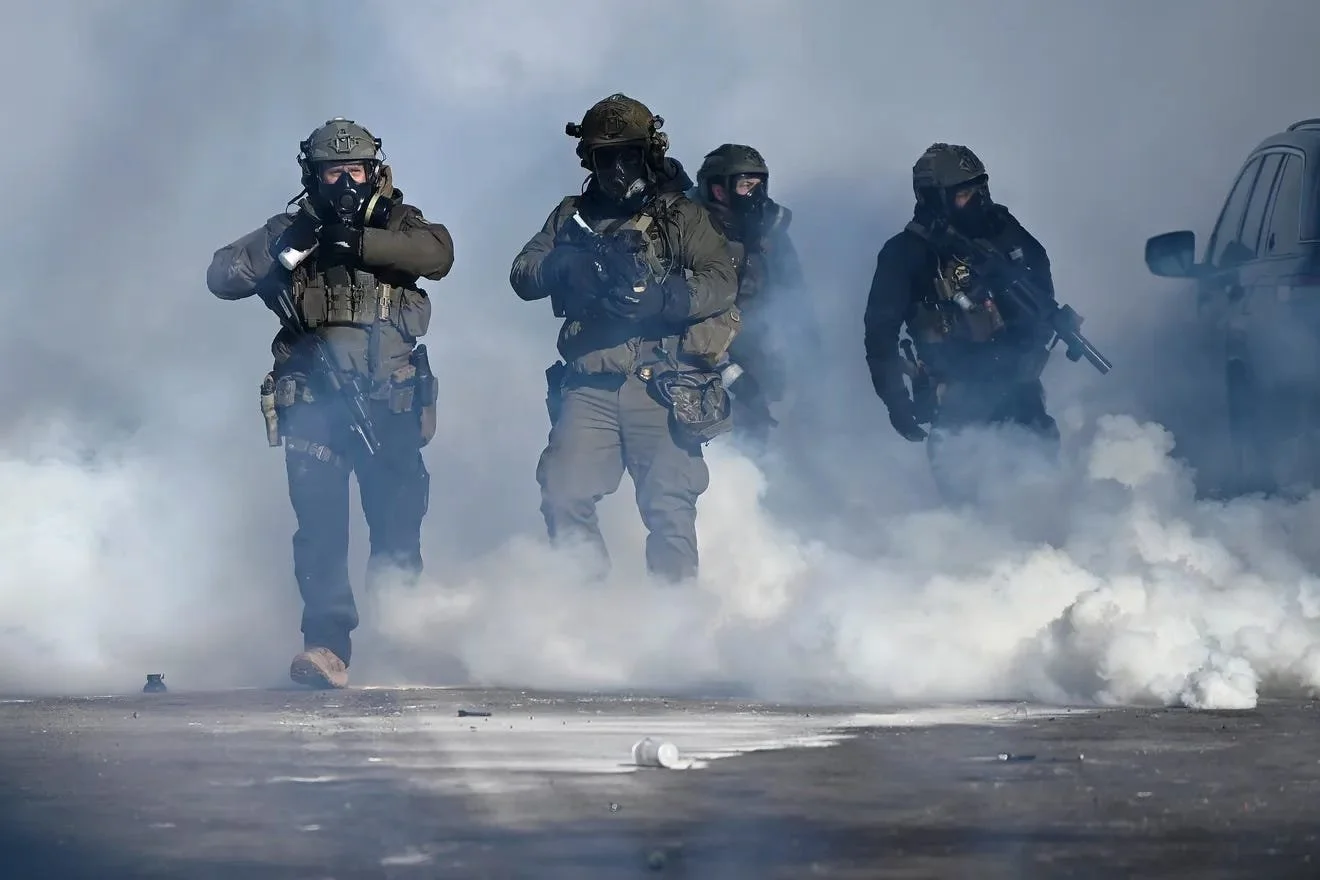
Stephen Maturen | Getty Images
Minnesota: The Largest Immigration Operation in the Country
Vermont wasn’t sudden.
Neither was Minnesota.
This has been building for months — ICE raids, shootings, mass arrests, and communities pushed to the edge.
Minnesota was the warning shot.
Vermont is the continuation.
Beginning in late 2025, federal authorities launched Operation Metro Surge, which officials described as the largest immigration enforcement operation in U.S. history.
At its peak:
More than 3,000 federal agents were deployed in the Twin Cities region.
Approximately 4,000 people were arrested during the operation.
Schools closed as families were too afraid to send their children. Medical appointments were missed. Businesses lost workers. Entire immigrant communities withdrew from public life.
And the enforcement didn’t happen quietly.
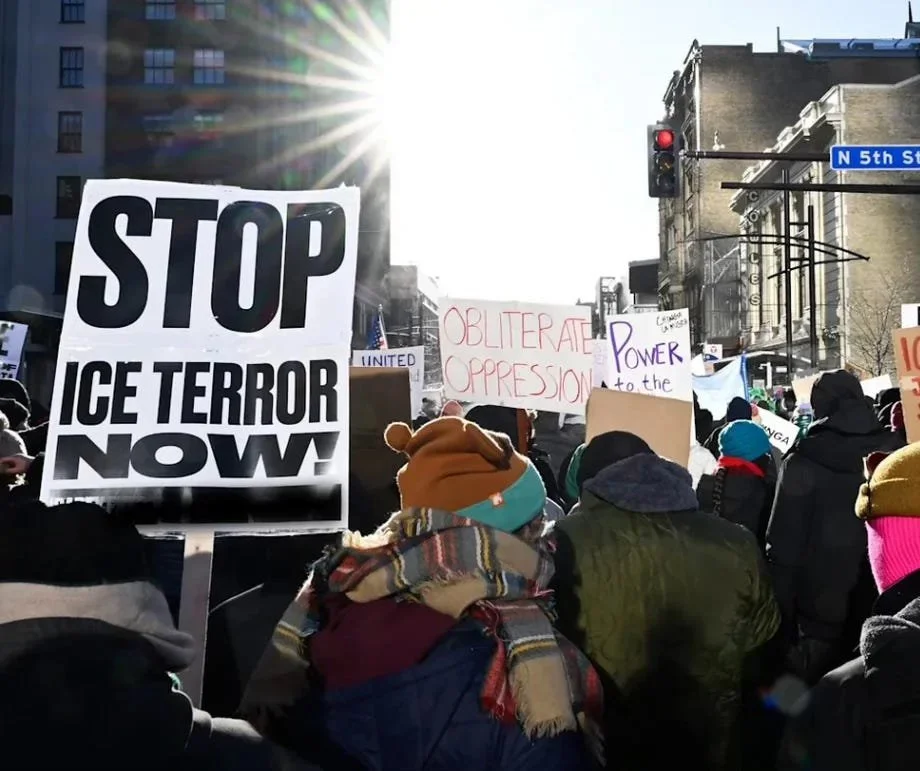
Protests spread not only across Minnesota but across the country.
Earlier this year, two civilian observers, Renee Good and Alex Pretti, and in Los Angeles, Keith Porter, Jr. — all U.S. citizens — were killed in separate encounters with federal immigration agents during the crackdown. Their deaths ignited national outrage, sparked investigations, and fueled a movement of demonstrations demanding accountability (Reuters).
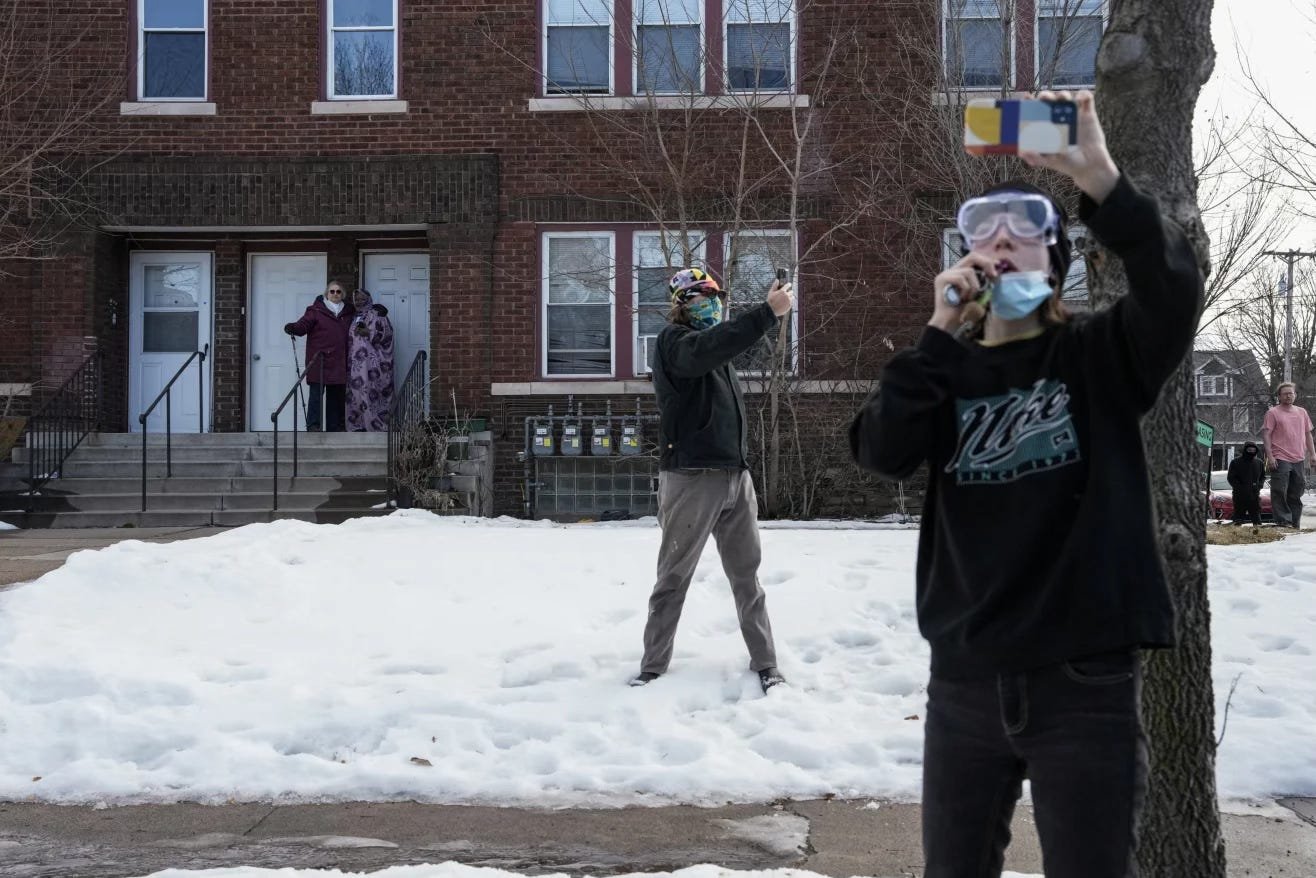
Tim Evans/Reuters
When Federal Power Shows Up on Local Streets
Part of what makes these events so volatile is where they are happening.
Not at the border.
But in neighborhoods.
In Minnesota, ICE activity became so visible that community groups began organizing neighborhood alert systems and networks to track ICE agents and warn residents.
The country donated to the frontlines. Volunteers patrolled streets with whistles, radios, and cameras. They watched school entrances. They documented vehicles and alerted neighborhoods with whistles when federal agents appeared (Reuters).
For many families all over the country, leaving home has become too dangerous.
Parents are keeping children home from school. Medical appointments have increasingly been missed. Businesses have lost workers as people have withdrawn from public life out of fear.
So the communities have stepped in.
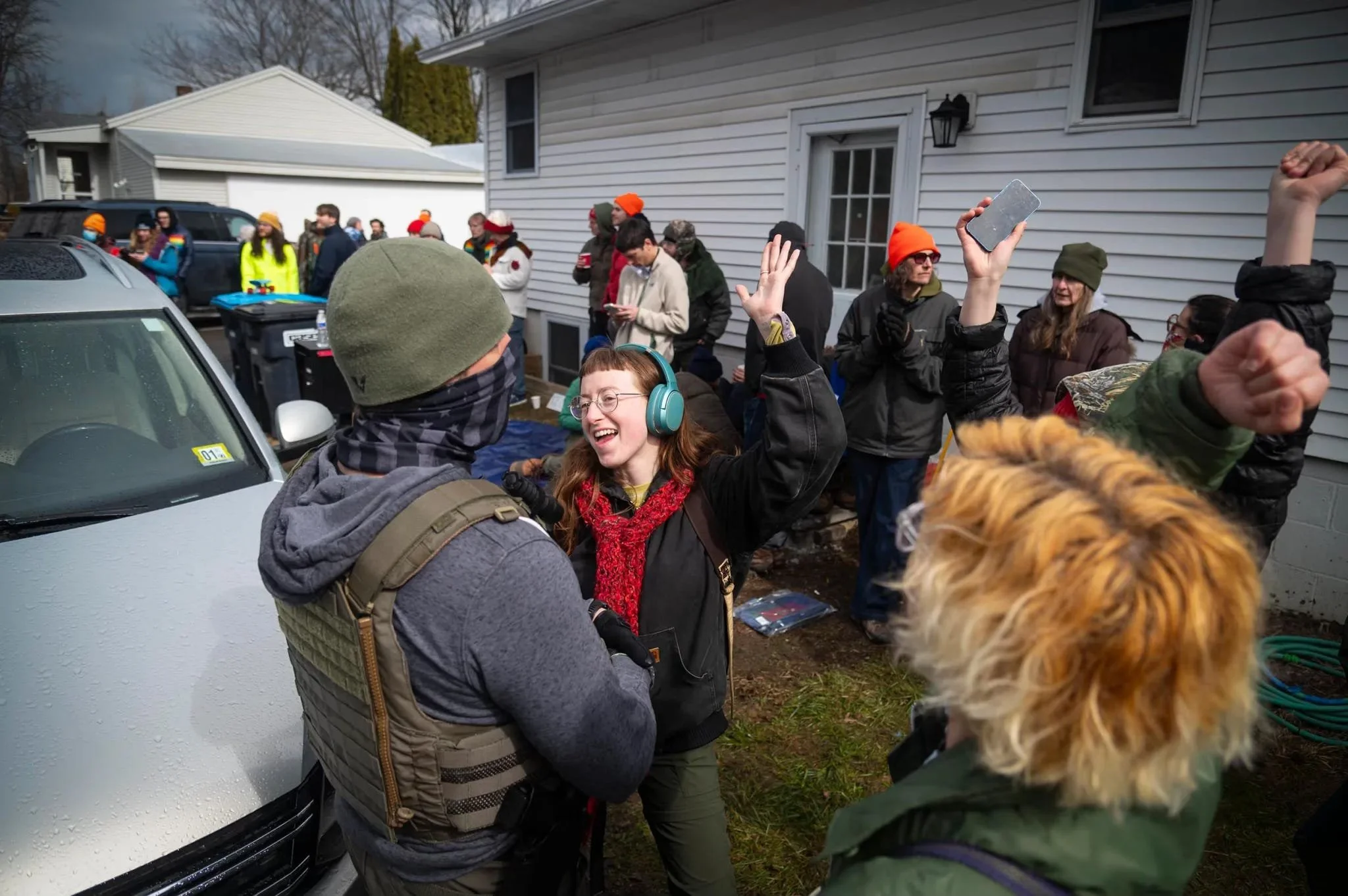
Photo by Glenn Russell/VTDigger
This week in Vermont, residents watched as federal vehicles surrounded a home — protesters filling the street outside. When federal enforcement arrives in the middle of a neighborhood, the reaction is rarely quiet.
Communities notice.
Neighbors gather.
People step outside to see what is happening and to decide how they will respond.
What unfolds next is not often just an arrest.
It becomes a moment that pulls an entire community—and a country —into the conflict.
Formal systems move slowly while informal networks activate almost immediately. Neighbors rely on group chats and mutual aid networks. Some turn to school communities or religious groups for support.
These networks can quickly coordinate ride shares, food delivery, childcare, and legal assistance.
This type of mobilization is commonly referred to as mutual aid—a form of community response that often emerges after political unrest, natural disasters, and economic crises (Spade, 2020).
It is not centrally organized. It is not directed by institutions.
It emerges from the simple reality that when something happens in the middle of a neighborhood, people do not experience it as policy.
They experience it as something happening to their neighbors.
Source:
Spade, D. (2020). Mutual Aid: Building Solidarity During This Crisis.
Vincent Alban/The New York Times
The Legal Battles Are Just Beginning
Federal agents’ use of force has sparked lawsuits, court rules, and appeals.
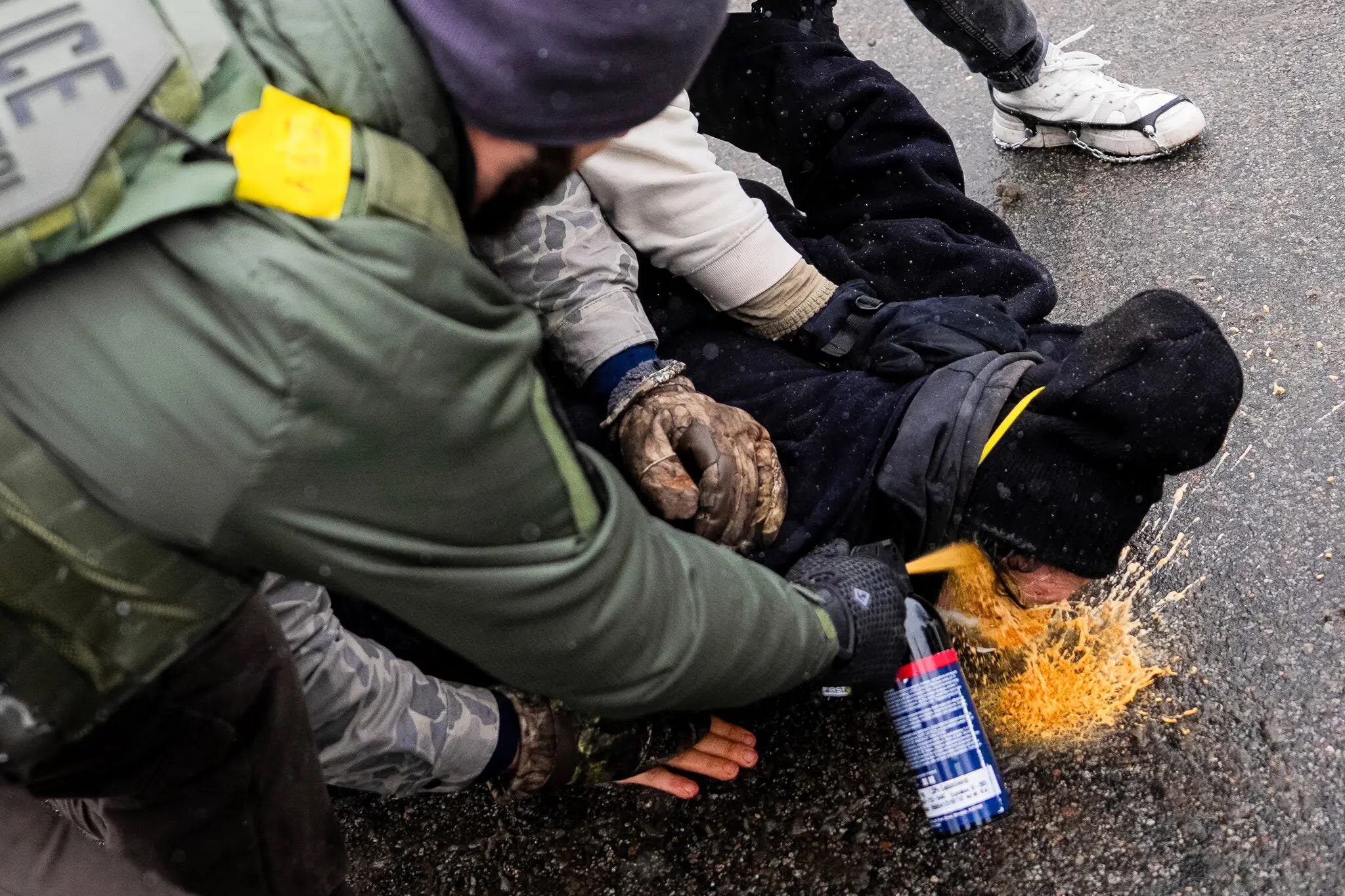
In Minnesota, civil liberties groups swiftly challenged the violations of federal agents deployed during Operation Metro Surge. The ACLU filed a lawsuit on behalf of local residents and activists. Their suit claimed that federal officers were detaining legal observers, retaliating with force against protesters, and using crowd-control weapons in ways that violated First Amendment protections.
In January 2026, U.S. District Judge Katherine Menendez (MN) issued a preliminary injunction restricting the tactics immigration agents could use against demonstrators and observers. The ruling barred agents from arresting or detaining individuals who were engaged in peaceful protest or simply observing enforcement actions, unless officers had reasonable suspicion that a crime had been committed.
The court also prohibited agents from using pepper spray, tear gas, or other crowd-control munitions against peaceful demonstrators or bystanders documenting the operations.
The case marked one of the first major judicial responses to the enforcement surge, and it underscored how quickly immigration operations had expanded into a broader constitutional dispute.
Other cases emerging from the crackdown have revealed chaotic detention practices and aggressive enforcement tactics. In one widely reported incident, a Minneapolis-area asylum seeker was held in custody for 50 days before a federal judge ruled the detention unlawful, ordering his release after determining that immigration authorities had no legal basis to keep him imprisoned.
Legal advocates have argued that cases like this illustrate systemic problems with how arrests and transfers were conducted during the surge, including allegations that detainees were rapidly moved across state lines in ways that complicated their ability to challenge their detention in court.
Meanwhile, the state of Minnesota and the Twin Cities filed their own lawsuit against federal officials, accusing the government of deploying immigration agents in ways that violated residents’ rights and undermined local authority.
Together, these cases have transformed what began as an immigration enforcement campaign into something much larger.
What started as an immigration crackdown is now evolving into a broader legal battle over civil liberties, federal authority, and the limits of protest rights in American neighborhoods.
Courts are now being asked to answer questions that go far beyond immigration policy itself:
• How far can federal agents go when conducting enforcement operations inside communities?
• What protections do observers and protesters have when they document those operations?
And when federal authority collides with local resistance, who ultimately sets the boundaries of power?
League of Women Voters
Why This Feels Different
Immigration enforcement in the United States is not new.
For decades, federal agents have carried out arrests, detention, and deportation operations across the country. But what feels different now — to many Americans watching events unfold — is the scale, the visibility, and the location of those operations.
Instead of quiet arrests carried out of public view and in the middle of the night, enforcement is unfolding in the middle of neighborhoods, in front of crowds, and often on camera.
It is not simply immigration enforcement itself. The United States has enforced immigration law for more than a century, though Immigration and Customs Enforcement (ICE) was only created in 2003 as part of the Department of Homeland Security following the September 11 attacks.
What feels different now is the scale of federal deployments, the hostility and violence surrounding arrests and peaceful protests, and the growing number of confrontations between federal agents, local communities, and the courts.
Large federal operations in cities.
Neighborhood arrests captured on video.
People have been murdered in front of our eyes.
Crowds confronting federal agents in the street.
Because many of these events are unfolding in real time, often recorded on phones and shared across social media, the public is seeing federal immigration enforcement in a way that was far less visible in previous decades.
The standoff in Vermont may fade from headlines in a few days.
We shouldn’t let it.
But the larger story is still unfolding.
Across the country, communities are watching immigration enforcement happen in real time — sometimes with cameras, sometimes with protests, and sometimes with courts stepping in after the fact.
And the debate about where federal authority begins — and where local communities push back — is far from over.